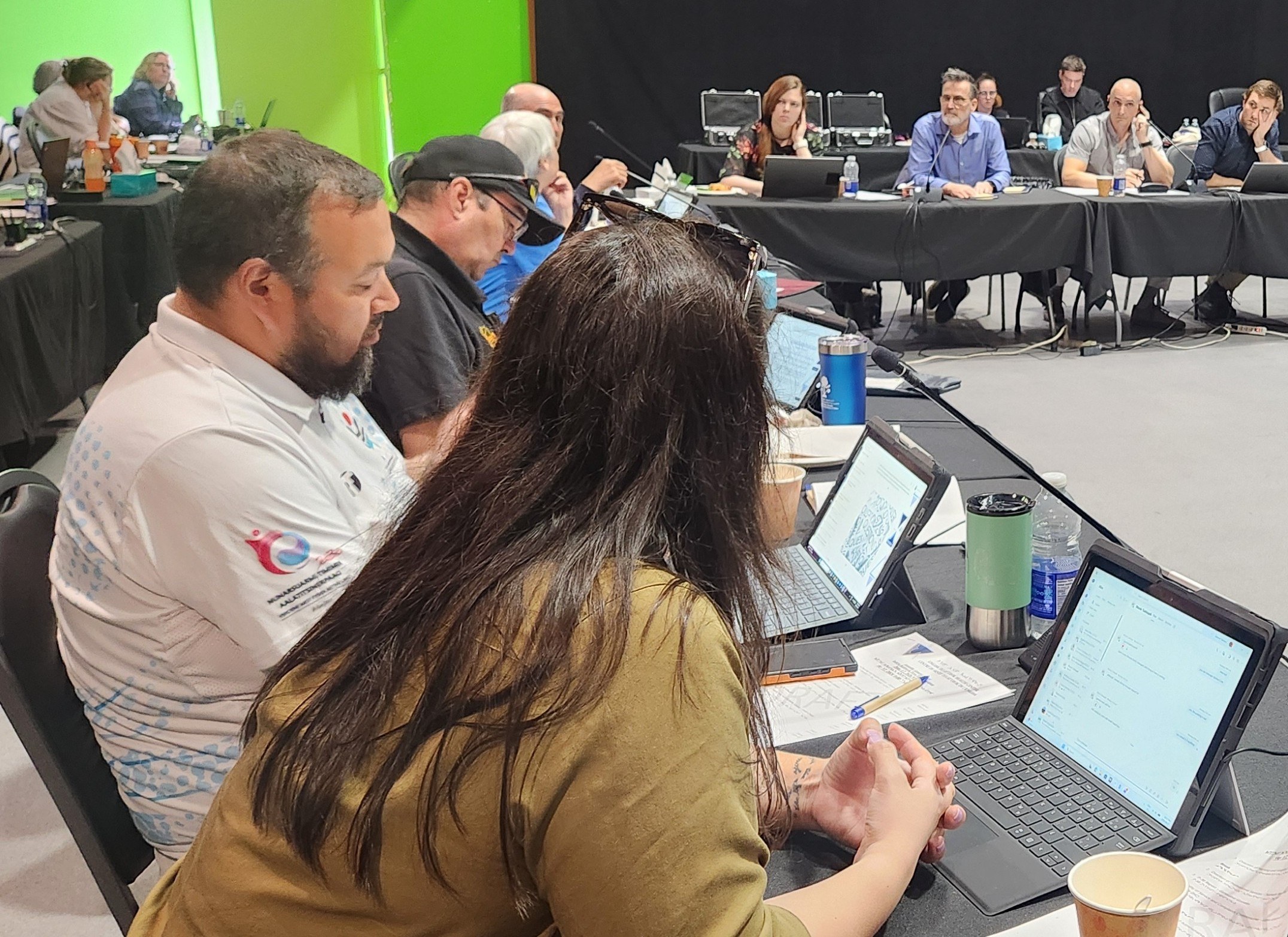
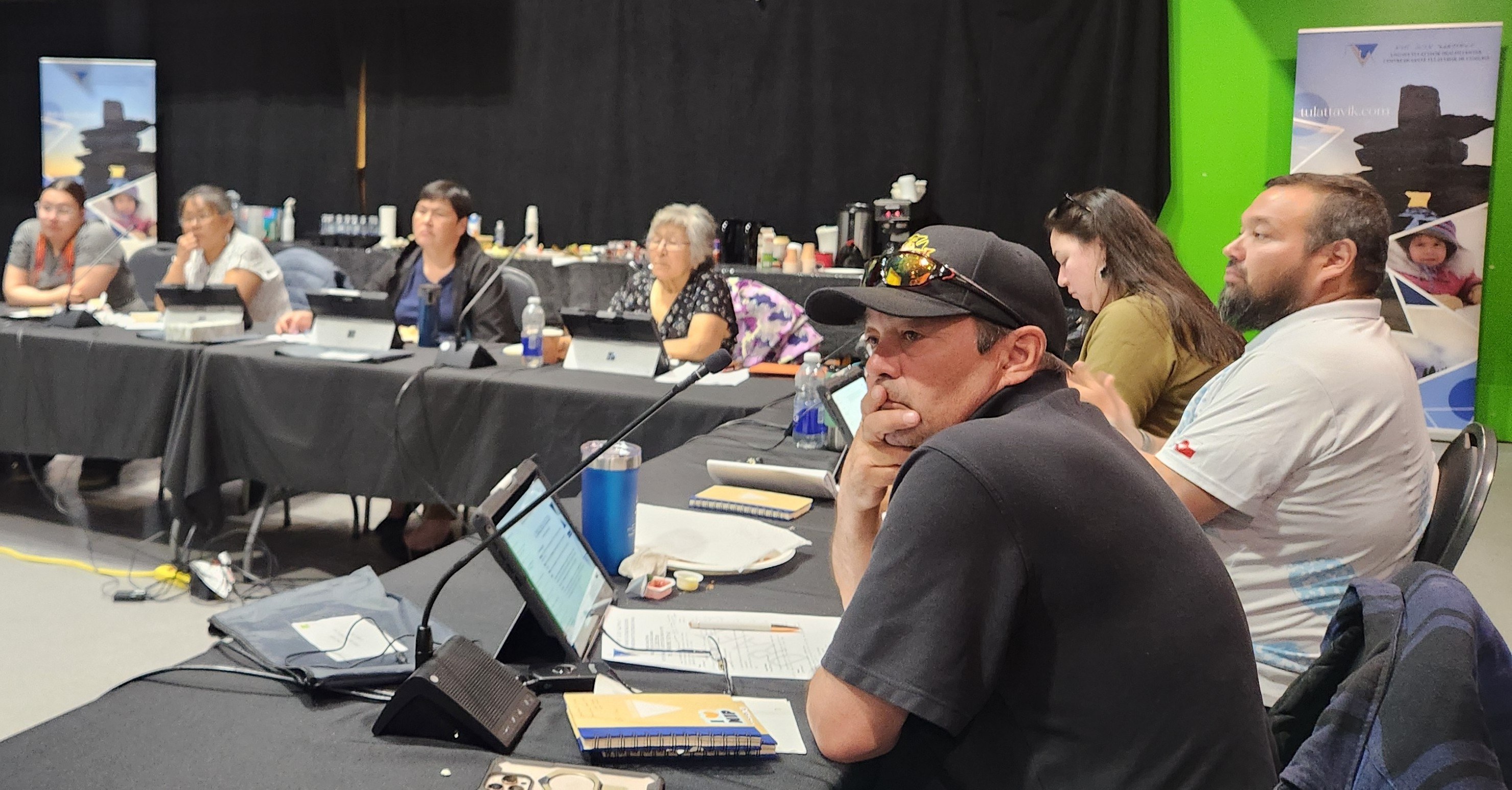
We are pleased to present a summary of UTHC’s Annual General Meeting, which was held in Kuujjuaq in June 2026.
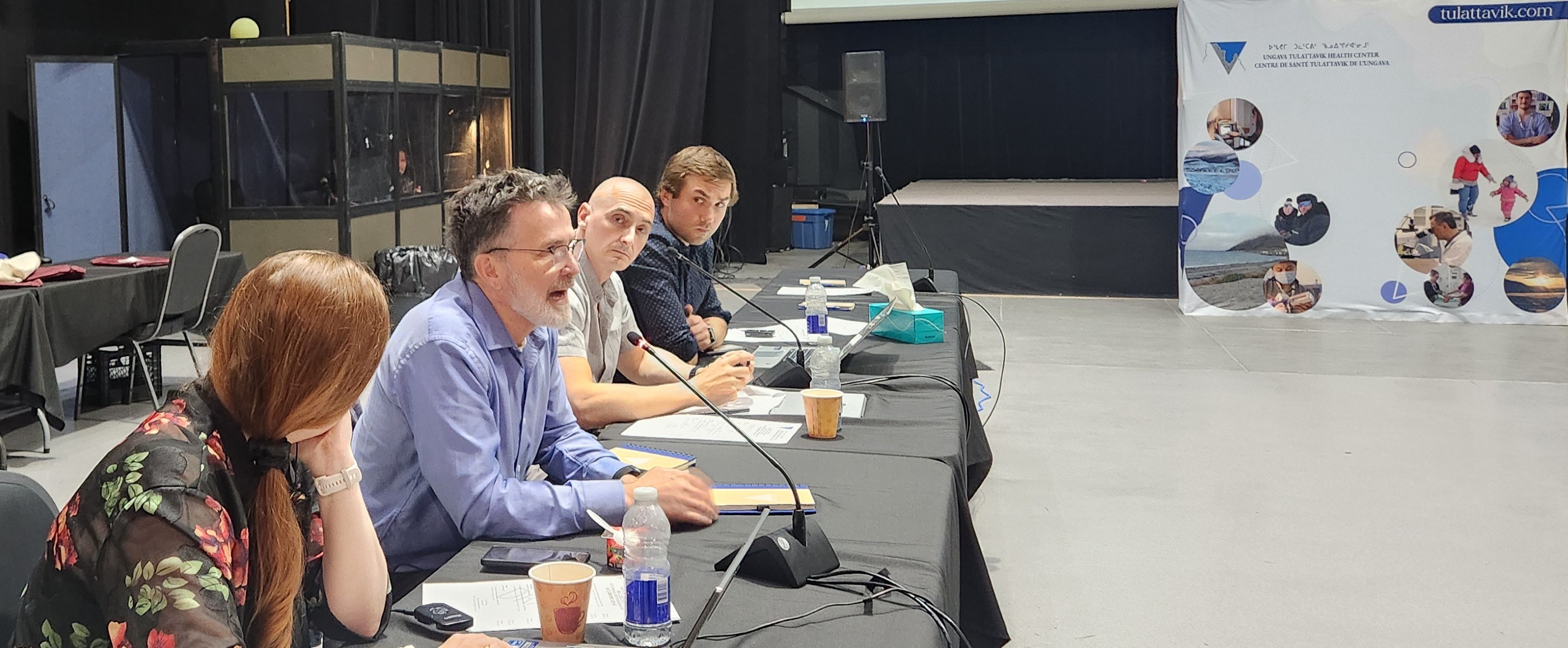
The following remarks were delivered by Larry Watt, Executive Director of UTHC, on CBC North FM in August.
Hello,
This is Larry Watt, Executive Director of the Ungava Tulattavik Health Center.
Today, I would like to share with you some important updates about your health and social services offered by Tulattavik.
First, I would like to thank all community members and employees who participated in our Annual General Meeting which was held in Kuujjuaq on June 17 and 18. Your voices, your questions, and your ideas help us improve services for everyone.
I want to congratulate Suzieann Kudluk who has been sworn in as the new representative of the Kangirsuk community on the Tulattakik Board of Directors. As a community representative, she will speak the voice of the Kangirsuk community members, patients and clients at the Board of Administration. She will help to ensure that Tulattavik continues improving the quality, accessibility, and safety of our services by sharing ideas, raising concerns, and identifying opportunities for improvement to strengthen health and social services for everyone.
Community Tours
Tulattavik wants to ensure that the communities we serve are heard. It is fundamental. We are committed to actively listening to people’s concerns and integrating their feedback into our decision-making processes. To support this, we will continue to visit Ungava communities with in the coming months, fostering ongoing dialogue and meaningful engagement.
In September, we will visit the community of Kangiqsujuaq. Please, tune in on FM radio on lunchtime Monday, September 14 to ear more concerning Tulattavik’s development, to talk with us and express your views.
Partnership
Tulattavik benefits from strong partnerships with organizations such as Makivik, Nunavingmi Ilagiit Papatauvinga, and Air Inuit. We are committed to maintaining and further strengthening these relationships, with the goal of enhancing the quality, accessibility, and reach of the health and social services we provide to the population.
Continued collaboration with the Nunavik Regional Board of Health and Social Services is essential. We will persist in clearly demonstrating and advocating for our needs, particularly in relation to the Quebec Infrastructure Plan and key public health priorities.
Cultural Safety
Cultural safety remains a central priority for Tulattavik. We are proud to welcome Emaly Jonas our new Cultural Safety Counselor. Emaly is working at the Executive Management supporting this important work. Looking ahead, we aim to further strengthen this area by developing additional roles and initiatives dedicated to cultural safety.
I am happy to share with you the development of Tulattavik’s services in the Health and Social sectors. Across Ungava, our teams continue to work hard to improve access to care and social services for all.
First, let’s start with a portrait of proximity services in CLSC and Medical services given by the Hospital by Tulattavik in the Ungava communities.
I would like to mention the important work underway at the Kangiqsualujjuaq CLSC. We know that the current access ramp has been difficult to use. It is very steep, and the ground underneath the structure has become unstable over time.
For us, accessibility of our installation and safety of our patients, families and staff always come first. That is why we decided to move forward with the necessary work, even before the final funding confirmation was received.
The project includes a new and safer access ramp, new main entrance door, and improvements to the access road.
The work is now underway, and we expect it to be completed before the end of the year.
We know how important it is for people to have safe and easy access to their local health services. We are pleased to be able to make this improvement for the community of Kangiqsualujjuaq.
Also, Tulattavik is adding a fifth nurse with an expanded role to have a better service coverage, improved continuity of care, and more support for the nursing team of Kangiqsualujjuaq CLSC.
In Tasiujaq, we have temporarily added a third nurse to help reduce workload pressures and maintain quality care for residents.
In Kuujjuaq, we are proud to support the next generation of healthcare workers. Karina Gordon, an Inuk nursing student, has returned this summer to work with us at the Kuujjuaq Hospital while completing her studies. We hope to welcome her as a graduate nurse in the future.
Another important step is the hiring of Qullik Tukiapik, the first Inuk person to complete ultrasound technician training at Dawson College. Her arrival at the Kuujjuaq Hospital will help us provide ultrasound services year-round in Kuujjuaq and reduce the need for travel to Montreal to access imagery medical services.
2025-2026
Here is a detailed portrait of the services offered by Tulattavik between April 1, 2025, and March 31, 2026.
The Kuujjuaq Hospital recorded 1,226 admissions. This represents a decrease of 58 hospital admissions compared to the previous year. The admission reduction is part of a trend that began in 2023, representing an overall decrease of approximately 200 admissions. This reduction in volume does not reflect a decrease in the complexity or severity of the cases managed.
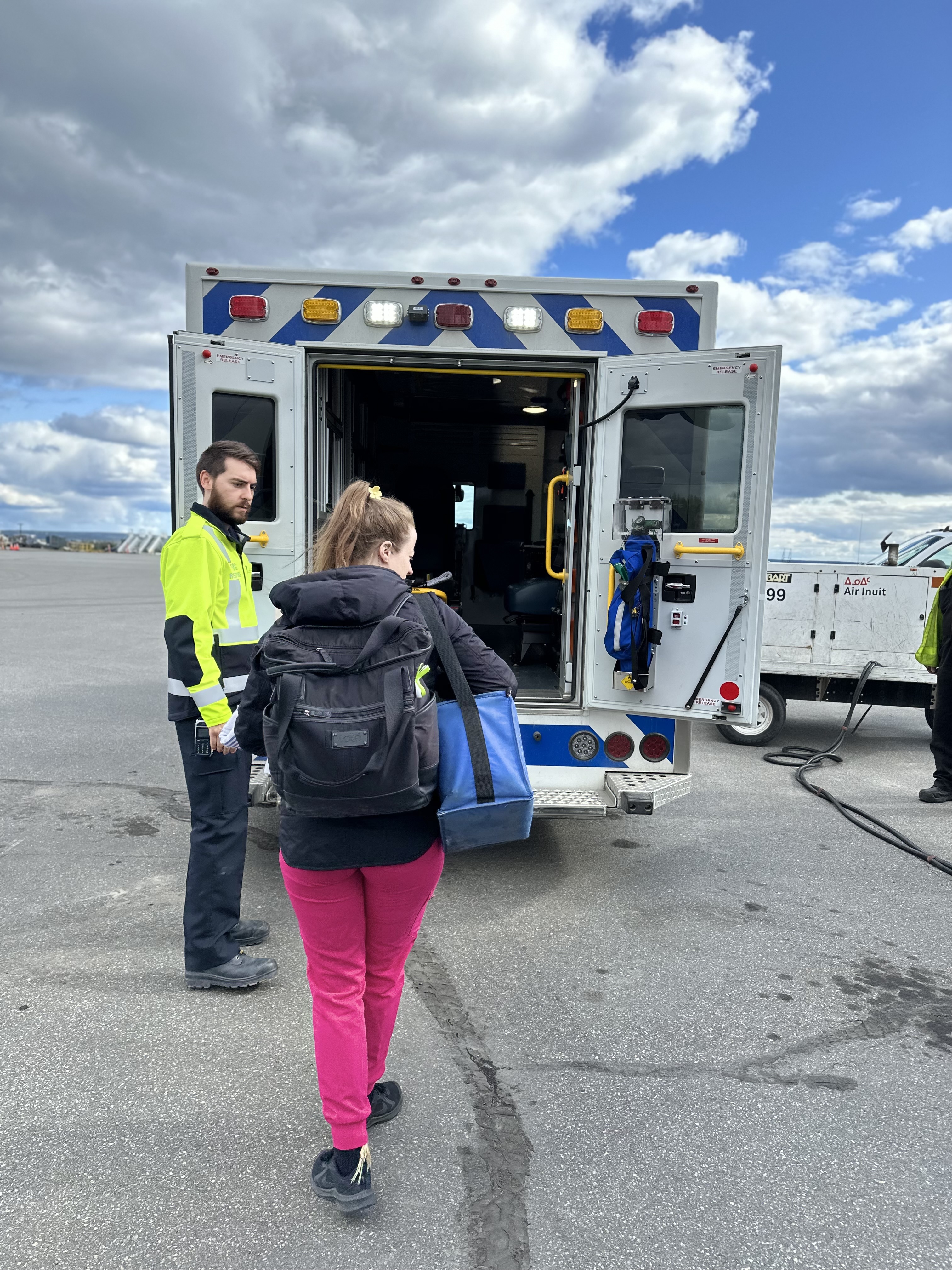
In total, 823 patients had to be medically evacuated, highlighting the continued reliance on external specialized services. The main reasons for evacuation are gastrointestinal conditions, trauma, and respiratory pathologies.
This information explains the ongoing challenges related to geographic remoteness, access to specialized care, and transportation capacity. All essential factors to consider in service planning and resource allocation.
Tulattavik is also working to bring new medical technology closer to home to ensure better care for our people.
I would also like to take a moment to speak about the improvements we are making to our health services at Tulattavik.
We know that accessing healthcare in Nunavik is not always easy. Distance, travel, waiting times and limited resources can make things more difficult for patients and families. We are working every day to improve this.
One important improvement is in dental care. Last year, we had 2 dentists. Today, we have 4. This means that more people can receive dental care closer to home, and we are continuing to look at ways to improve access in our communities.
We are also making progress with specialized medical services. The waiting list for gastroenterology has been significantly reduced. We are bringing specialists to Kuujjuaq regularly, so that more people can receive the care they need without always having to travel south.
Our pharmacy team is also working to make medication services safer and easier for patients. New tools and technologies are helping our teams manage medications more safely, and some services can now be accessed more easily by patients themselves.
We are also investing in the future. We are working to digitize health records so that healthcare professionals can have better access to the information they need, while improving efficiency and security. This is an important step toward stronger and more connected healthcare services across Nunavik.
We are also welcoming new physicians and continuing to offer internships to medical students and future specialists. By giving students and young healthcare professionals the opportunity to learn and work in Nunavik, we are helping build the healthcare workforce of tomorrow.
i-STAT
New portable diagnostic devices called i-STAT machines will be introduced in all Ungava communities. I-STAT ensures a faster and more complete clinical evaluation for patients in remote area and help roll out basic laboratory analysis.
I-stat is a small and portable blood analyzer that delivers lab-quality diagnostic results in about 2 minutes using a few drops of blood. It allows clinical personnel to rapidly assess a patient's metabolic, electrolyte, and respiratory status.
I-STAT device can have a significant impact on the clinical team’s ability to adjust the plan of care for a patient, especially when decisions need to be made quickly and access to specialized services is limited or far.
The medevac team will also have one i-STAT diagnostic device at their disposal to better understand the patient's physical conditions.
CT scan
I would now like to address an important issue regarding access to CT scan exams for the population of Ungava.
CT scan produces detailed cross-sectional pictures of the inside of the body. Doctors use it to detect injuries such as broken bones, skull fractures, muscle problems. It can spot internal bleeding or injuries after an accident, find lung clots, heart disease, kidney stones. CT scans can also track tumours or cancer cells and guide medical treatments like biopsies or surgery.
Currently, Nunavik does not have a CT scan machine. Patients who require this type of exam must be transferred to Montreal. Over the past ten years, this has represented more than $25 million in transportation, lodging, and meal expenses. Beyond the financial impact, this also creates delays, difficult travel for patients, separation from their community, and additional pressure on the health system.
At the same time, CT scan requests from physicians are increasing. This exam has become an essential clinical tool to support diagnosis, guide treatment, and avoid unnecessary transfers to Montreal Hospitals.
The solution is to install a CT scan machine at the Kuujjuaq hospital to better serve the Ungava population. A business case was prepared and presented to the MSSS in September 2025, demonstrating clinical, operational, and financial relevance. The project kick-off meeting took place last spring.
The project is currently in the design phase, with an estimated total cost of $12.5 million. The next steps are to approve the plans and location, then confirm the project timeline.
The archive area has been identified as the preferred location. Once all patient files are fully digitized, this space will become vacant. Its proximity to other hospital services makes it a strategic location to support the integration of the CT scan into patient care pathways.
Tulattavik continues its work for the new coming of a CT scanner at Kuujjuaq’s Hospital. A CT scanner will improve access to care, reduce travel, and help patients to stay closer to family and community.
Tuberculosis
I would also like to take a few minutes to speak with you about tuberculosis, or TB, and the work we are doing at Tulattavik to protect the health of our communities.
Tuberculosis remains an important concern in some communities. We know that this situation can be worrying for individuals and families. We want you to know that we are taking this very seriously, and that we are strengthening our efforts to prevent, detect and treat tuberculosis.
Our most important tool is early detection. When TB is found early, people can receive treatment sooner. This helps protect their health, their families, and the entire community.
In Kangiqsualujjuaq, the number of TB cases remains concerning. We have received funding to add 2 nurses to fight tuberculosis. This will give the community a team of 4 public health nurses working on TB. These additional resources will allow us to increase screening, treatment and follow-up.
In Kangiqsujuaq, the situation is encouraging. We have had no new active TB cases reported in 2026 so far. The strong participation of community members in screening has helped us better understand the situation and respond quickly.
We are also preparing to strengthen TB screening in Kuujjuaq and other communities. Our goal is to offer screening to more people, particularly those aged 14 and older, and to identify TB that may be present without causing symptoms.
Screening may include a chest X-ray or a sputum test. In some cases, other tests may be offered to identify what we call latent, or “sleeping,” TB.
We know that screening takes time and effort. It may mean taking time away from work, school or family responsibilities. But every person who participates helps us build a clearer picture of TB in our communities.
I want to sincerely thank the people of Kangiqsualujjuaq and Kangiqsujuaq for your cooperation and your trust.
I also want to thank our nurses, public health workers, physicians, technicians, community organizations and all our partners who are working every day to respond to tuberculosis.
Most importantly, I want to remind everyone that there is no shame in being tested or receiving treatment for TB. Tuberculosis is a health issue. Asking for help, getting tested and completing treatment are acts of care—for yourself, your family and your community.
We will continue to work closely with Nunavimmiut and with our communities. We will listen, adapt our approach and bring resources where they are needed most.
Together, through early detection, treatment, prevention and community participation, we can reduce the spread of tuberculosis and save lives.
Wellness Campaign
We are also making our hospital environment more welcoming by integrating images and elements inspired by Nunavik nature, culture, the land, and the people. We want patients and families to feel connected to home during a hospital stay.
The wellness campaign that will be implemented in the Kuujjuaq Hospital Department reflects a clear commitment to transforming the hospital environment into a more welcoming, soothing, and meaningful living space.
The objective is to improve the well-being of patients, visitors, and employees by creating an environment that supports comfort, reduces stress, and contributes to recovery. In a northern context marked by isolation, vulnerable client groups, and constant pressure on care teams, this initiative represents a concrete way to humanize the care experience.
The project is based on the integration of large-format visuals inspired by the land, local culture, and traditions of Nunavik. Installed throughout the unit, these visuals will help create a sense of reassurance, cultural connection, and belonging. They will also make the local territory and community more accessible to hospitalized individuals who cannot physically experience it during their stay.
From an organizational perspective, the campaign is consistent with the health promotion work already initiated since 2023.
This campaign is a meaningful initiative that strengthens the connection between the hospital and the community, contributes directly to a more humane, culturally grounded, and compassionate care experience and supports staff engagement.
Complaint Commissioner
Finally, I want to remind everyone that quality care includes listening.
If you have concerns, suggestions, or complaints about services, we encourage you to contact the Quality of Service and Complaints Commissioner. You can reach Lizzie Joannes at 819 964-2905 ext. 2509.
You feel that your rights have not been respected or you wish to make a recommendation regarding the quality of the services you received, please contact Tulattavik Complaints Commissioner Lizzie Joannes at 819 964-2905 ext. 2509.
This service is confidential and help to improve care and protect the rights of users. Your voice helps us do better.
I would also like to speak briefly about the work we are doing behind the scenes to make sure Tulattavik remains strong and able to serve our communities.
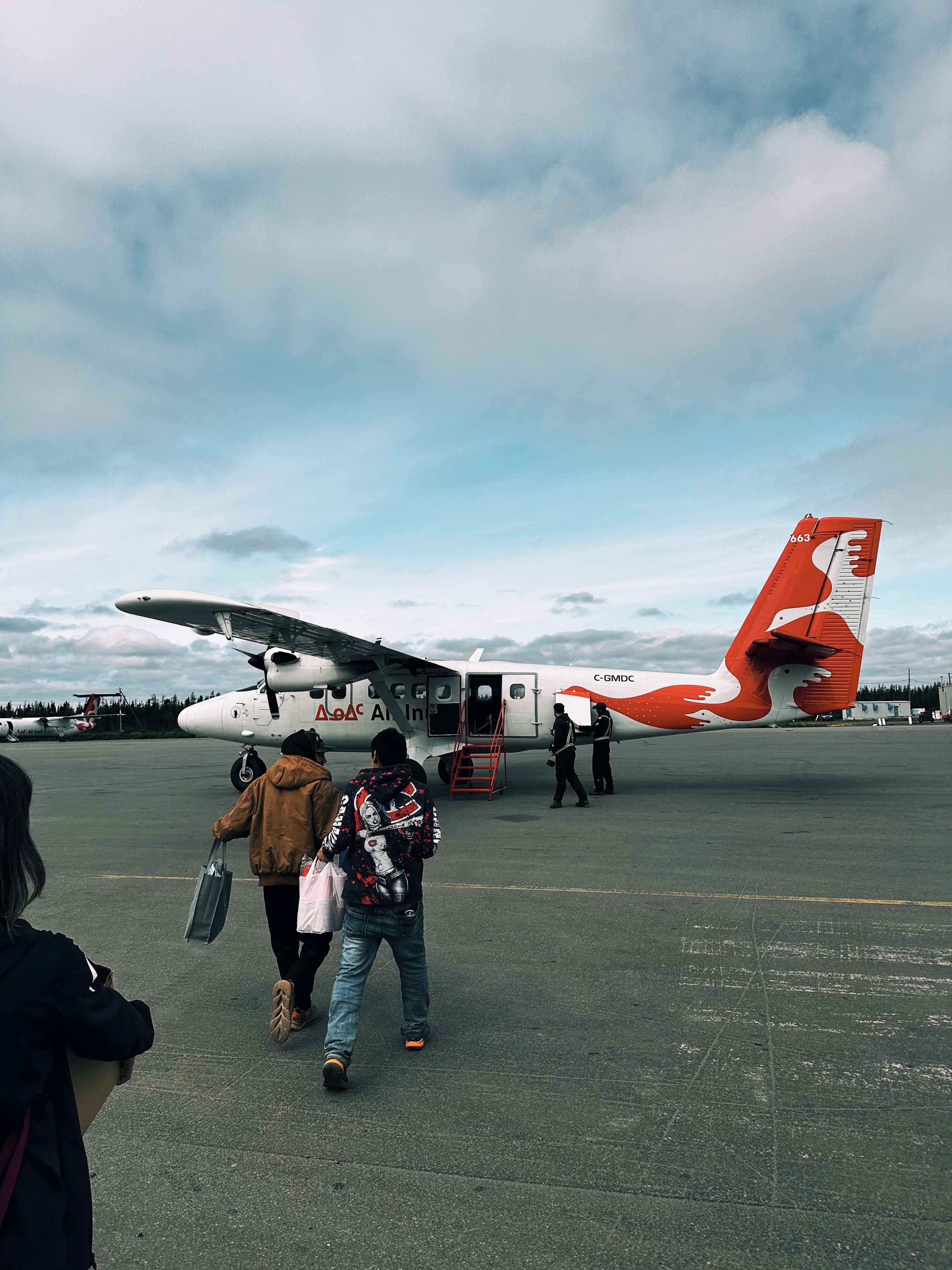
First, I want to recognize a partnership that helps to make healthcare more accessible. Since the opening of the Montreal–Kuujjuaq flight route with Air Inuit, we have been very pleased with the courtesy and improved service offered to our patients, users and travellers.
We sincerely thank Air Inuit for their continued collaboration and their commitment to serving Nunavimmiut.
Financially, we have made important progress. We have reduced our accumulated deficit from 11.6 million dollars to 6.6 million dollars. This is a significant improvement, and it reflects the hard work of our teams.
We are still facing challenges. The cost of food, medical supplies, travel, fuel and other essential services continues to increase.
We are working to improve our financial and administrative tools so that we can plan better, use our resources responsibly and continue investing where the needs are felt the most.
Inflation and high cost of living in Nunavik also have an important impact on our housing and infrastructure. Tulattavik wants patients and employees to live in safe and reliable facilities. It is an important part to ensure quality healthcare and worker retention.
Our Technical Services teams work every day across Nunavik to maintain our buildings, medical equipment and vehicles. Their work is often behind the scenes, but it is essential to keep our health and social services running safely.
Our team of 48 employees is responsible for maintaining over 180 buildings in 11 communities and a fleet of 168 vehicles. Over the past decade, the number of vehicles has more than tripled, increasing from 54 in 2014 to 168 today. Last year, 19 vehicles were added to the fleet. Each additional vehicle generates substantial operating and maintenance costs. This rapid growth has also placed considerable pressure on local repair shops, particularly in communities outside Kuujjuaq. As a result, it is now common for certain repairs to take months to complete.
We know that some of our buildings are aging, and that maintaining and improving infrastructure across Nunavik is a major challenge.
Another challenge is funding. Some major projects require several years of planning and construction, but the current funding process does not always provide the stability and predictability we need. This can delay projects that are important to our communities.
Despite these challenges, our teams continue to plan, maintain, repair and move projects forward. Our goal is to build and maintain safe and welcoming environments where patients, families and employees feel supported.
We will continue to work with our regional and provincial partners to secure the funding needed for the projects that matter most to Nunavimmiut.
There is still much work ahead. We are committed to planning for the long term and building a stronger future for healthcare in Nunavik.
Housing availability remains one of our biggest challenges. When housing is not available, it is difficult to recruit and keep employees in Nunavik. This means that, in some situations, we still must rely on temporary workers from outside the region. We are continuing to work on this because having stable teams, made up of people who know our communities, is very important to us.
Our employees are at the heart of everything we do. Human Resources has been working to improve recruitment, on boarding and working conditions, particularly for Inuit employees. We are working closely with our regional partners to better understand what is needed and to make working conditions more consistent and attractive.
We are also strengthening our efforts to recruit Inuit employees. Job opportunities are being regularly shared in Kuujjuaq and in the communities. Please, check out our Facebook page called Inuit Recruitment and Careers at Tulattavik on a regular basis to find out more about job opportunities for Inuit.
Our goal is simple: we want more Nunavimmiut to work for our organization, to be part of our team. There are lots of jobs at Tulattavik for Inuit workers. The Inuit Facebook page called Inuit Recruitment and Careers at Tulattavik is dedicated to Inuit who want to work in relation with Health and Social Services for the benefice of our people, family, friends.
Tulattavik is moving forward, step by step, with a clear goal: to build a strong, stable and sustainable organization, with local employees, to provide quality healthcare and social services to Nunavimmiut for years to come.
Healthcare is not only about doctors, nurses or buildings. It is also about trust. It is about feeling safe. It is about being understood.
When you walk into a health center, it makes a difference to see someone from our community. Someone who speaks our language. Someone who understands our culture and our reality. This can make it easier to talk about your health. It can make it easier to ask questions. And it can make people feel more comfortable coming to get help when they need it.
That is why Tulattavik needs more Inuit working with us, for us.
We need Inuit nurses, social workers, community workers, administrative staff, managers and many other people in our health and social services.
It’s about improving our healthcare system. It is also about creating opportunities for Inuit here in Nunavik.
A job gives people the opportunity to support themselves and their families. It allows people to gain experience, build a career and plan for their future, including retirement.
There is something even more important. When Inuit work in our health and social services, we help to shape the system. We bring our knowledge. Our experience. Our understanding of our communities. We help make our services more welcoming, more respectful and more connected to the people we serve.
I would like young Nunavimmiut to know that there is a place for them in healthcare.
You can make a difference. You can build a career here. Tulattavik has a On-the-Job Training Program. You can help your family. You can help your community. And you can help make our health system stronger.
For me, the goal is simple. I want our health and social services to be a place where Inuit feel that they belong. A place where people feel listened to and respected. A health system by Inuit, with Inuit, and for Inuit.
This is something we can build together. And every Inuit person who joins our team brings us one step closer.
If you are interested in working for Tulattavik Health Center, please contact Gerard Airo Mesher at Human Resources 819 964-2905 extension 2445.
I would like to take a moment to talk about our Rehabilitation Services and, most importantly, about the young people we support.
The past year has brought some challenges. We are still working to fill a few management and staff positions, and we continue to work closely with Human Resources to strengthen our teams and reduce our reliance on agency staff.
But there is also a lot of positive work happening. We have welcomed Inuit cultural workers and educators into our Montreal units. This is an important step in making sure that young people remain connected to their culture, their language and their communities.
Our teams are also receiving ongoing training in crisis intervention, trauma-informed care and therapeutic approaches. We are strengthening our practices so that young people receive care that are safe, consistent and respectful.
We are working closely with the Nunavik Regional Health Board and our partners to improve our programs and make our services more consistent across our facilities.
In strong collaboration with our partners in Nunavik and in the South, we are also preparing for the implementation of the Youth Integration Project, known as PIJ, in September. This project will help our teams and partners to work even more closely together around each young person.
The goal is to provide better continuity, better communication and more consistent support, so that young people and their families feel supported throughout their journey. With this new computerized device, employees will be able to better share necessary information so that the young person does not find himself having to start his story over again every time he meets a new worker or a new service.
Our approach is simple. We believe that every person deserves kindness, respect and hope. Our interventions should help young people learn and grow. They should never be about punishment.
We want young people to have a voice in decisions that affect them. We want to work with families and strengthen those connections.
We also want to bring culture into everyday life through traditional activities, time on the land, country food and the use of Inuktitut.
We want young people to be proud of who they are and where they come from.
Most importantly, we want them to believe in their own potential. There are challenges, but there is also progress. Our Rehabilitation Services team continues to LEVEL UP our services — with kindness, integrity, respect, hope and commitment.
We will continue working together to provide care that helps our young people feel safe, supported and hopeful about their future.
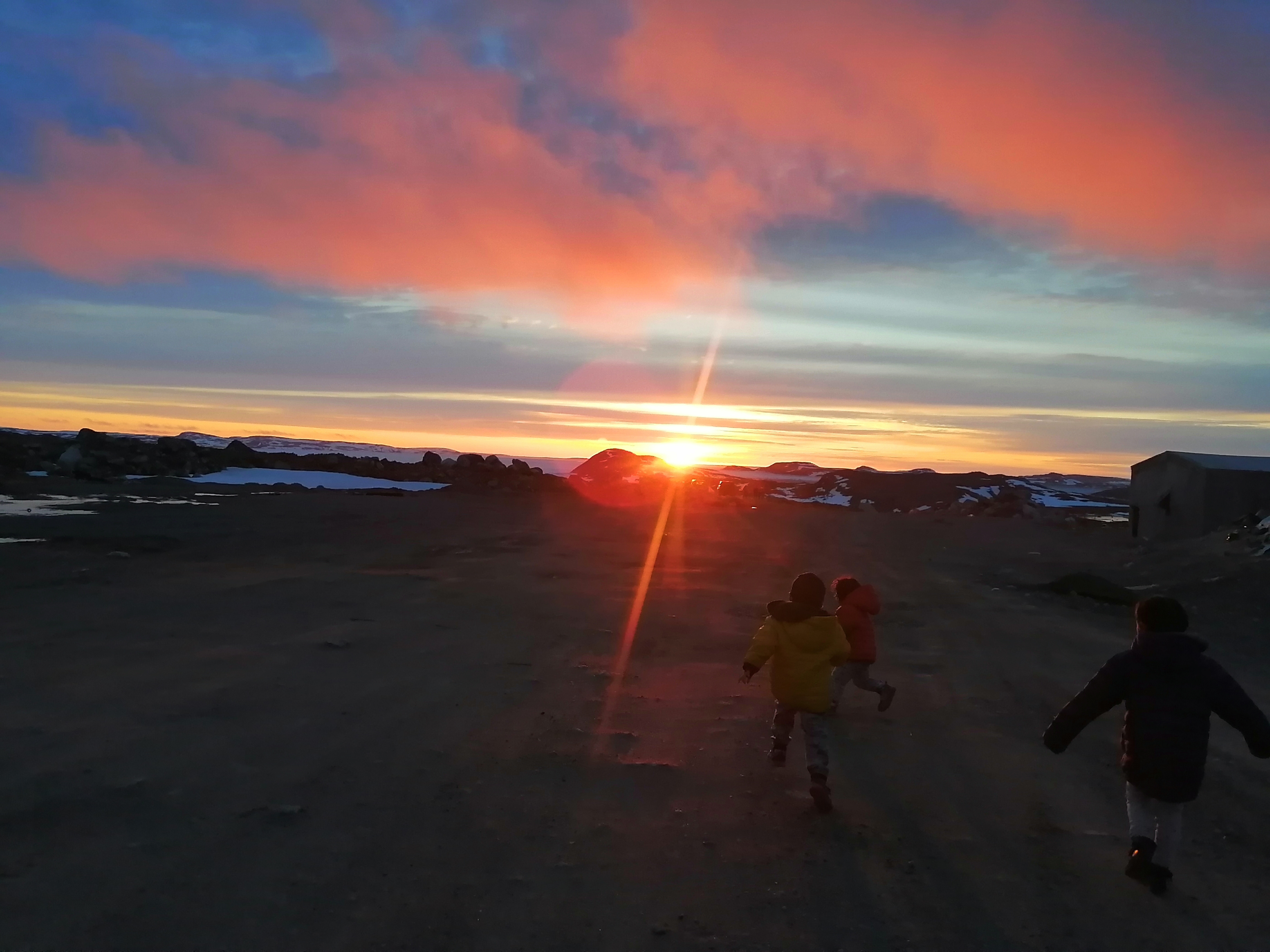
When we talk about Community Services, we talk about people first. Our role is to support Nunavimmiut who need help to remain in their communities, close to their families, their culture, and the people they know.
Our mission is simple: to help Nunavimmiut maintain their quality of life in their own homes for as long as possible.
This year, we have improved teamwork between different professionals, increased the services we can provide, and strengthened clinical supervision.
But we still face important challenges. Unfortunately, we are currently unable to provide home care services in Tasiujaq, Aupaluk, and Quaqtaq because we do not have enough staff positions or housing for employees. This is an important issue, and we recognize the impact this has on people and families.
Our teams are also completing assessments for several programs, including home autonomy support, respite services, and requests for housing outside the region.
We are continuing to look for ways to improve coordination and make sure people receive the right service at the right time.
Community Services is also about prevention and supporting young people. We want to strengthen our collaboration with Nunavimmi Ilagiit Papatauvinga and increase access to Ilagiiluta, also known as SIPPE services.
Our objective is to have dedicated youth workers in every community.
Health is influenced by many things: housing, food security, education, employment, family support, and many other social conditions. That is why prevention and health promotion must continue to grow. We want to work more closely with Public Health and the Planning and Programming teams at the Nunavik Regional Board of Health and Social Services.
I would also like to recognize the work being done by our maternity team in Kuujjuaq. This year, 129 women received maternity care along the Ungava coast.
We are especially happy to welcome two student midwives, Margaret Tukkiapik and Kayla-Jazz Annanack-Lauzon, who began their training in Kuujjuaq on May 11. Their presence is an important step toward developing more maternity care capacity here in Nunavik. We are also continuing to work with the Royal Victoria Hospital to create clinical internship opportunities for student midwives from Nunavik.
This is about building knowledge, experience, and opportunities here at home in Nunavik.
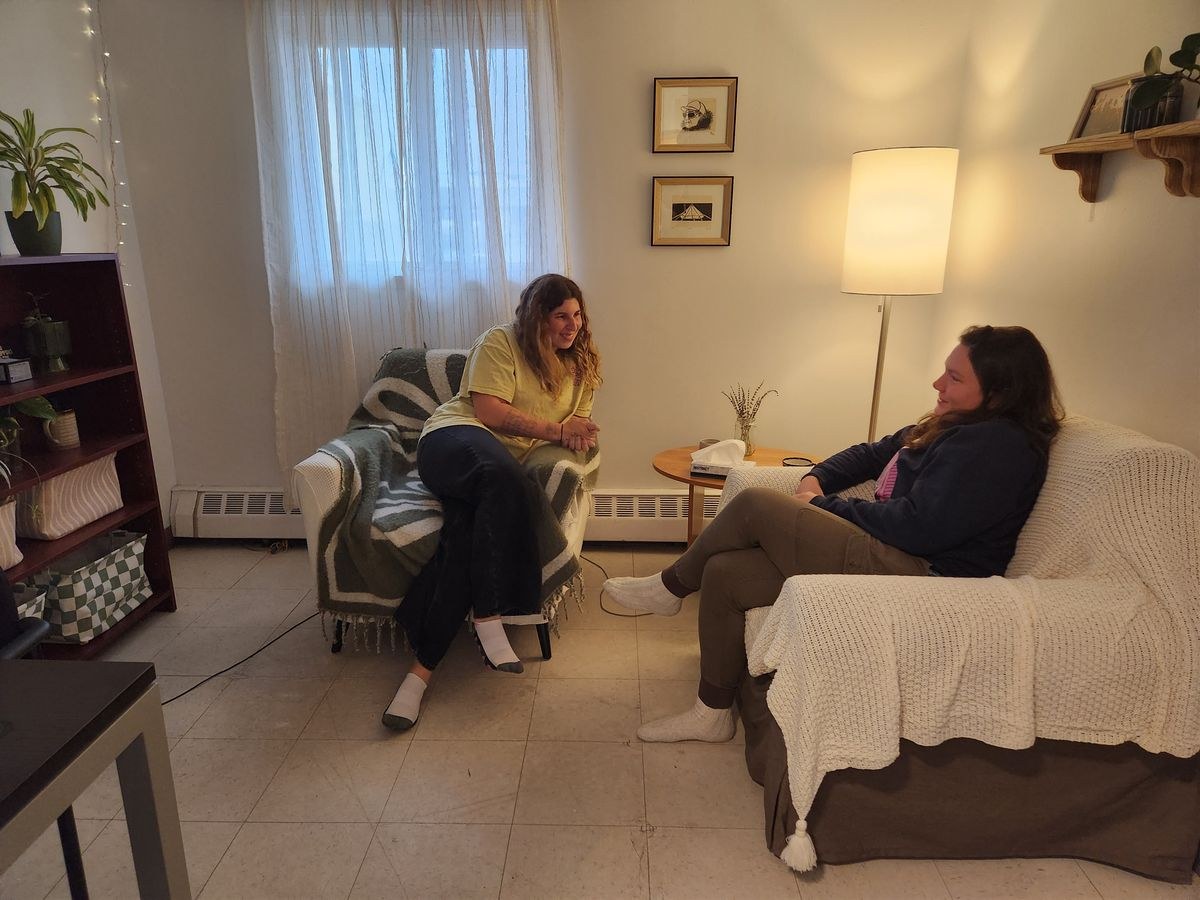
I would now take the time to share information about our Youth Protection Services. Last year was a difficult year for our teams. We experienced a high number of sick leaves and challenges with staff retention.
This year, we are seeing greater stability. We have completed an action plan. We have a new management team bringing new energy and new ideas. We are also investing in training to support our employees and strengthen our practices.
We have added new clinical support to help our staff strengthen their practices and provide better support to children and families.
These are positive steps forward. But we still have important needs.
Even with greater stability, we need additional positions to meet the needs of children and families, to respect the law, and to provide the level of service required for children who need protection.
What Happens When a Situation Is Reported? I would also like to explain, in simple terms, what happens when a situation involving a child is reported to Youth Protection Services.
First, the situation is assessed. The priority is always the safety and development of the child. Protective measures can be taken immediately when necessary.
After the assessment, there are different possibilities. If the child's safety or development is not in danger, the file may not require further intervention.
If the child is in danger, Youth Protection Services determines what measures are needed to protect the child. In many situations, this can be done through voluntary measures. This means that the family and Youth Protection Services agree together on the steps needed to ensure the child's safety.
In other situations, the matter may need to go before the court.
We have seen a very positive change in this area. There has been a 50 percent increase in voluntary measures, meaning that more situations are being resolved without going to court. We are also seeing fewer cases going to court and more files being closed.
The primary goal of Youth Protection Services is to keep children with their families whenever it is safe to do so.
But sometimes, a child may need to live somewhere else for a period.
When that happens, the first option considered is often someone who is already important in the child's life. This could be a grandparent, another family member, or another significant person.
Their willingness and ability to care for the child are carefully assessed.
If this is not possible or if it is not in the child's best interest, another placement is found based on the child's needs.
When a child is placed outside the home, there are also rules about how long this placement can last. These are called maximum placement periods. The time depends on the age of the child. The goal is always to make decisions based on the child's safety, well-being, development, and long-term needs.
There is one message I want to emphasize today. We need more Inuit families to care for Inuit children. Children need to remain connected to their culture, language, family, community, and identity. Foster families can play an extremely important role in making that possible.
For the period of 2025-2026, 284 children were placed either in a foster home or with a significant person in their lives. Of these children, 187 were placed in regular foster homes. 97 were placed with someone who has a significant connection to the child, such as a grandparent, another member of the extended family, or a significant person in the child's life.
53% were placed with Inuit foster families, and 47% were placed with non-Inuit families. We still have an important need for Inuit foster families, especially here in the Ungava region.
Among the children placed in foster homes in the South, 34 are from Kuujjuaq and 17 are from Kangirsuk.
These numbers remind us of something very important. A child who must leave their home should also not have to lose their connection to their culture and community.
Being a foster family is not always easy. But it can make an enormous difference in a child's life. It means providing a safe home, stability, care, and connection during a difficult period.
It also means helping children remain connected to who they are.
We encourage Inuit families who may be able to open their homes and their hearts to learn more about becoming foster families. Every child deserves to feel safe, loved, and connected.
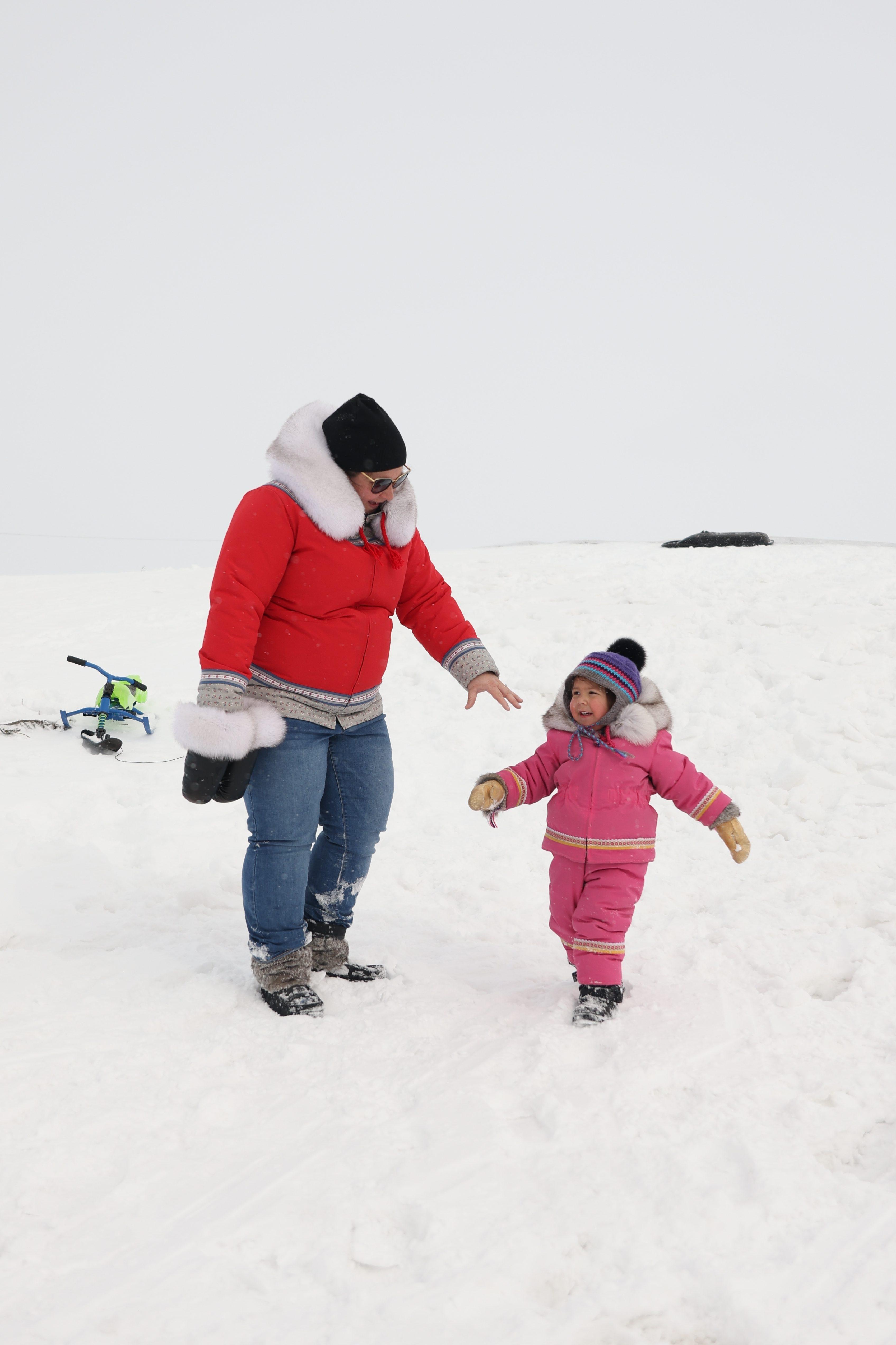
Conclusion
I hope this overview of the past year helps you better understand the important work that has been done by Tulattavik for the benefit of our population.
It also helps to explain some of the challenges our teams face every day. There is still much work to do.
The Tulattavik Health Center faces many challenges, but there is also a lot of commitment from our employees. Our employees are working hard every day to support elderly people, families, youth, and people living with different levels of need. We know that some solutions are taking too long. We know that families are waiting. And we know that our communities deserve better access to safe, culturally appropriate care.
As an organization, we will continue to advocate for the resources, infrastructure, housing, staffing, and services that Nunavimmiut need.
Our responsibility is not only to respond to today’s needs. It is also to prepare for tomorrow.
And, above all, our responsibility is to make sure that people can receive care with dignity, respect, compassion, and as close to home as possible. That is the commitment we are making to our communities.
Improving healthcare and social services is not only about buildings, technology or numbers. It is also about listening to people.
Once again, I want to remind you that Tulattavik listens to you. Complaints Commissioner, Lizzie Joannes, is there for you when you have a concern, a suggestion or a complaint about the services you received. You can reach her at her office, building 5213 in Kuujjuaq, from Monday to Friday, 9AM to 5PM. You can also dial 819 964-2905 ext. 2509 to talk to her.
This is a confidential service. Its purpose is not to make people feel uncomfortable or afraid. Lizzie Joannes is there to help protect people's rights, improve the quality of care and make sure concerns are heard and addressed.
I want to encourage anyone who has a concern about their care or the care of a loved one to speak up. Your voice matters. Sharing a concern can help Tulattavik understand what needs to improve.
Tulattavik has produced a pamphlet to give information about the Complaints Commissioner services, to make the process easier to understand and more accessible to Nunavimmiut. Everyone should know their rights and they should know they can turn to the Complaints Commissioner when they need support. You can find the pamphlet at your CLSC or online at tulattavik.com.
Protecting our children, elderly people, and vulnerable adults is especially important. We take any concern about mistreatment seriously, and we will continue working with our regional partners to strengthen protection, awareness and support.
Healthcare is a shared responsibility. We cannot improve our services without listening to the people we serve.
Thank you to our employees, our partners, our community members, and all Nunavimmiut for your trust and collaboration.
Please, take care of yourselves, take care of one another, and have a wonderful day.
Nakurmik.